


Why Is the Golden Triangle Tour Popular Among First-Time Visitors to India?
Planning a first trip to India can feel exciting, but choosing where to begin is not always easy. The country offers thousands of years of history, diverse cultures, colorful markets, remarkable architecture, and regional food traditions. For international travelers, the Golden Triangle is a convenient introduction to many of these experiences.
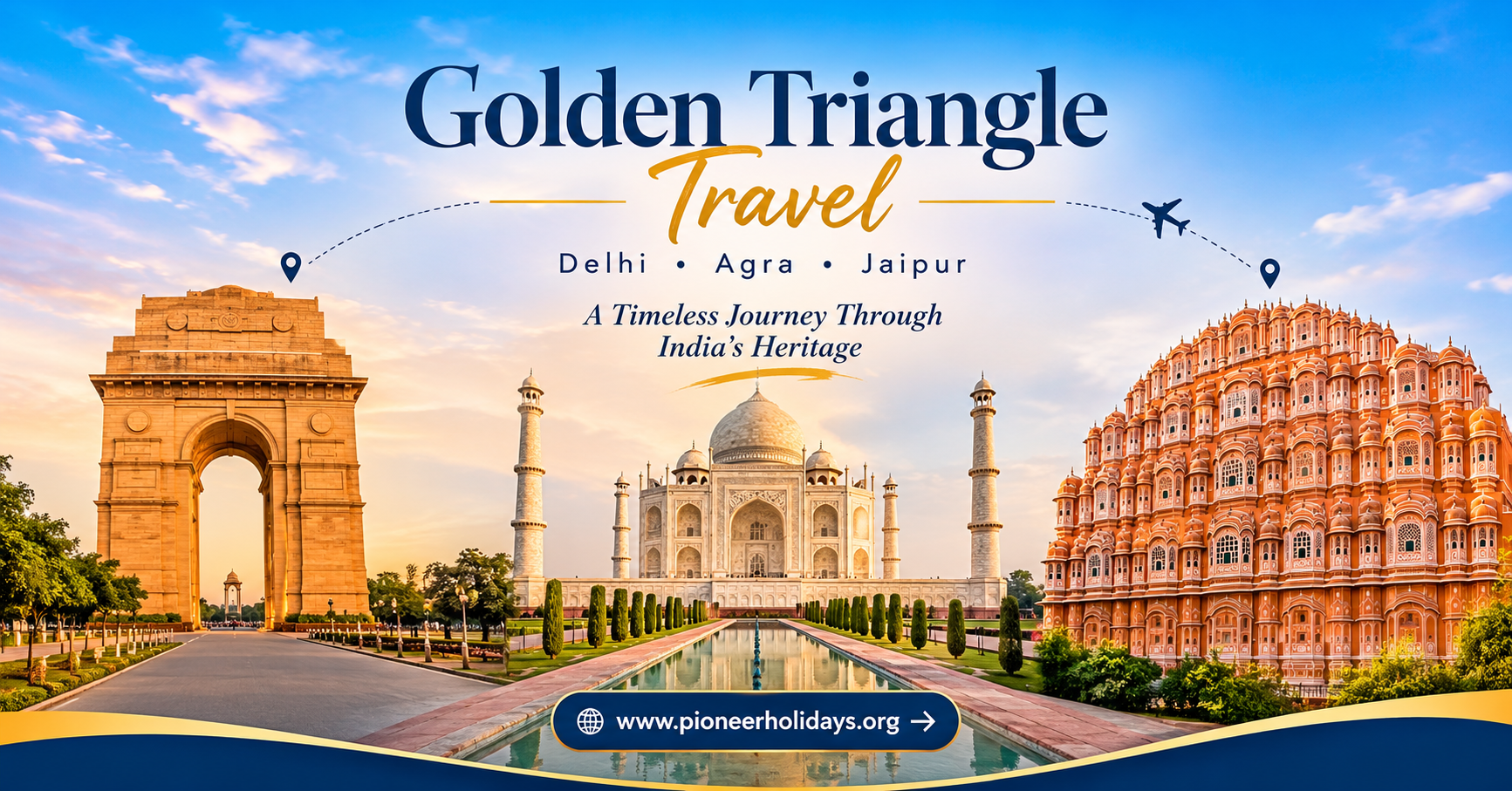
A Golden Triangle Tour India connects three of the country's best-known destinations: Delhi, Agra, and Jaipur. Each city has a distinct personality, making the journey varied without requiring visitors to travel across the entire country. From Mughal monuments and royal palaces to traditional markets and local cuisine, this route offers a balanced first experience of India.
1. Three Historic Cities Offer a Wide Introduction to India
One major reason the Golden Triangle is popular is the variety of experiences within a relatively compact route.
Delhi introduces visitors to India's capital and its layered history. Travelers can explore the Red Fort, Humayun's Tomb, Qutub Minar, and the lively lanes of Old Delhi. The city also offers modern shopping areas, museums, restaurants, and a mix of cultural influences.
Agra is best known for the Taj Mahal, a monument that attracts visitors from around the world. However, Agra Fort and the Tomb of Itimad-ud-Daulah also reveal important details about Mughal architecture and history.
Jaipur, often called the Pink City, offers a different atmosphere. Amber Fort, City Palace, Hawa Mahal, and Jantar Mantar introduce visitors to Rajasthan's royal heritage and distinctive architectural traditions.
Together, these destinations provide a useful overview of India's history, culture, and urban life.
2. Famous Landmarks Make the Journey Memorable
First-time visitors often want to see India's most recognizable attractions. The Golden Triangle makes this possible through a route that includes several major historical landmarks.
The Taj Mahal is often the highlight for international travelers. Visiting it early in the morning can offer softer light and a more comfortable sightseeing experience, depending on the season and visitor numbers. In Delhi, the historic monuments reveal the influence of different dynasties, while Jaipur's forts and palaces provide insight into the region's royal past.
Beyond the main attractions, travelers can enjoy local experiences such as tasting traditional food, browsing handicraft markets, and learning about regional customs. These activities help make the journey more meaningful than simply moving from one monument to another.
3. Flexible Tour Durations Suit Different Travel Schedules
Not every visitor has the same amount of time in India. Some travelers include the Golden Triangle during a short international holiday, while others dedicate a full week or longer to exploring the region.
A 2 Days Golden Triangle Tour is a very compact option for travelers with limited time, although sightseeing will be rushed. A 3 Days Golden Triangle Tour provides another short introduction to the three cities.
For a more balanced schedule, a 4 Days Golden Triangle Tour can allow additional time for important attractions. Travelers who prefer a slower pace may consider a 5 Days Golden Triangle Tour or a 6 Days Golden Triangle Tour.
When comparing itineraries, check how much time is allocated to sightseeing, road journeys, meals, and hotel stays. A longer itinerary is not automatically better if it includes unnecessary transfers or an unsuitable schedule.
4. Extensions Allow Travelers to Discover More of India
Another advantage of this route is that it can be extended to include destinations with different cultural and natural attractions.
-
Wildlife: A Golden Triangle Tour with Ranthambore combines historic cities with a visit to Ranthambore National Park. Safari sightings depend on natural conditions and are never guaranteed.
-
Spiritual heritage: A Golden Triangle Tour with Varanasi adds the ancient riverfront city of Varanasi, known for its ghats and religious traditions.
-
Sikh culture: A Golden Triangle Tour with Amritsar includes the Golden Temple and an opportunity to learn about Sikh heritage.
-
Lakes and palaces: A Golden Triangle Tour with Udaipur introduces travelers to Rajasthan's lakeside scenery and royal architecture.
-
Rajasthan's historic cities: A Golden Triangle Tour with Jodhpur and Udaipur offers more time to explore forts, palaces, and local traditions.
-
A longer regional journey: A Golden Triangle Tour with Rajasthan is suitable for visitors who want a broader experience of the state's historic destinations.
These extensions are especially useful for travelers who have more than a week in India and want to explore beyond the three main cities.
5. Practical Travel Arrangements Make the First Visit Easier
Traveling in an unfamiliar country becomes more comfortable when the basic arrangements are planned in advance. The Golden Triangle is a popular tourist route, but traffic, weather, crowds, and travel distances still need consideration.
Here are a few practical suggestions:
-
Choose suitable travel dates: October to March is generally a popular sightseeing season. However, winter fog can sometimes affect visibility and road or rail schedules.
-
Allow enough journey time: Delhi, Agra, and Jaipur are connected by road, but traffic and local conditions can affect arrival times.
-
Book major attractions carefully: Check current opening days, entry arrangements, and ticket information before departure.
-
Use comfortable transportation: Private transfers can make it easier to manage luggage, sightseeing stops, and changes in schedule.
-
Consider local guides: A knowledgeable guide can explain the historical background of monuments and help visitors understand local customs.
-
Keep the itinerary realistic: Avoid scheduling too many major attractions in one day, especially during hot weather.
For international visitors, choosing a travel operator with clear inclusions, reliable transport arrangements, and flexible sightseeing can also simplify the planning process.
Conclusion
The Golden Triangle remains popular among first-time visitors because it combines three distinctive cities, famous historical landmarks, cultural experiences, and flexible itinerary options. Delhi introduces travelers to India's layered history, Agra showcases remarkable Mughal architecture, and Jaipur offers a glimpse into Rajasthan's royal heritage.
A well-organized Golden Triangle Tour India can be a comfortable starting point for discovering the country, particularly when the itinerary matches the traveler's available time and interests. Visitors can also extend their journey to explore wildlife, spiritual traditions, and additional historic cities. With thoughtful planning and realistic travel arrangements, the route can provide a memorable first experience of India.
For itinerary ideas and private travel arrangements, travelers can explore Pioneer Holidays.

 English
 Arabic
 French
 Spanish
 Portuguese
 Deutsch
 Turkish
 Dutch
 Russian
 Romaian
 Portuguese (Brazil)
 Greek