


Why Do Chameleon Flakes Change Colour at Different Viewing Angles?
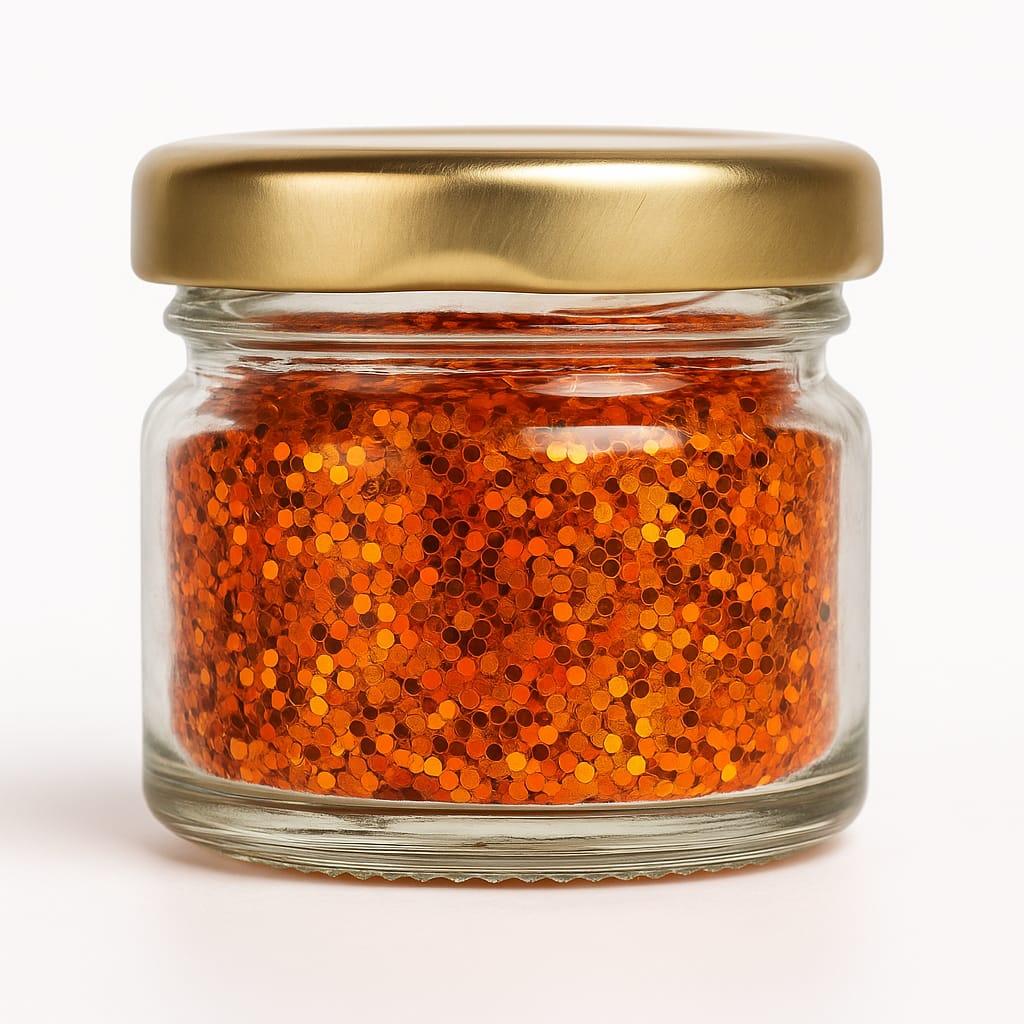
Why Do Chameleon Flakes Change Colour at Different Viewing Angles?
Have you ever noticed how a resin artwork appears blue from one angle, purple from another, and green when viewed from a different direction? This fascinating colour-changing effect is what makes chameleon flakes so popular among resin artists, DIY creators, and craft enthusiasts.
Chameleon Flakes are special-effect pigments that create different colour appearances depending on the viewing angle and lighting conditions. Their unique optical properties produce beautiful colour-shifting effects that can make ordinary decorative projects look extraordinary.
But why does this happen? Do these pigments actually change colour, or is it simply an optical effect?
In this guide, we will explain how chameleon flakes work, why their colours change at different angles, how to use them in epoxy resin, and how to choose the right pigment for your creative projects.
What Are Chameleon Flakes?
Chameleon Pigment Flakes are special-effect decorative pigments designed to produce multiple colour appearances depending on how light interacts with their layered or coated surfaces.
Unlike traditional pigments that generally display one dominant colour, chameleon pigments create a shifting visual effect.
For example, depending on the pigment formulation, a single shade may display combinations such as:
-
Blue to purple
-
Green to gold
-
Purple to pink
-
Gold to green
-
Blue to green
-
Red to violet
These colour transitions make chameleon pigments particularly attractive for resin art, automotive finishes, decorative crafts, jewellery, and customised accessories.
Why Do Chameleon Flakes Change Colour at Different Viewing Angles?
The main reason Chameleon Flakes change colour is an optical phenomenon known as interference.
Many colour-shifting pigments contain extremely thin layers or specially engineered surfaces that interact with incoming light.
When light strikes these layers, some light waves are reflected from different surfaces. These reflected waves can combine through constructive and destructive interference.
Depending on the viewing angle and illumination, different wavelengths become more prominent, creating the appearance of different colours.
This is why the same pigment can look completely different when viewed from different directions.
1. Light Interference Creates Colour Shifts
Light interference is one of the important principles behind colour-shifting pigments.
When light reflects from multiple thin layers, the reflected waves interact with one another.
Some wavelengths are enhanced, while others are reduced. This changes the colour that reaches your eyes.
As a result, the pigment may display different shades without actually changing its chemical colour.
2. Viewing Angle Changes the Reflected Light
The angle at which you observe a pigment can influence the wavelengths of light reflected towards your eyes.
For example:
-
From one angle, the pigment may appear blue.
-
From another angle, it may display purple.
-
At a different angle, green or golden tones may become visible.
This optical behaviour is commonly called the colour-shifting or angle-dependent effect.
3. Layered Pigment Structures Influence Colour
Many advanced Colour Shifting Pigment products use multilayer structures or specialised coatings.
These structures help control how light is reflected and transmitted.
The thickness, composition, and arrangement of these layers influence the colours produced and the intensity of the shifting effect.
4. Lighting Conditions Affect the Appearance
Lighting also plays an important role in how chameleon flakes appear.
Under bright natural light, colour transitions may become more noticeable. Under indoor lighting, the same pigment may display slightly different shades.
The final appearance depends on:
-
Light intensity
-
Light direction
-
Viewing angle
-
Pigment formulation
-
Background colour
Therefore, testing your pigment under different lighting conditions is important before starting a large project.
How Do Chameleon Pigment Flakes Work?
The colour-changing appearance of Color Changing Pigment Powder is created through the interaction of light with the pigment's optical structure.
Here is a simplified explanation:
Step 1: Light Reaches the Pigment
When natural or artificial light reaches the pigment surface, some of the light is reflected while some enters or interacts with its layered structure.
Step 2: Light Waves Interact
Light reflected from different layers interacts through interference.
Step 3: Certain Colours Become More Visible
Depending on the angle and optical structure, certain wavelengths become stronger in the reflected light.
Step 4: Your Eyes Observe Different Colours
When you change your viewing position, the reflected wavelengths reaching your eyes also change.
This creates the attractive colour-shifting effect associated with chameleon pigments.
Chameleon Flakes vs Regular Pigments: What Is the Difference?
Regular pigments and chameleon flakes are both used to add colour to creative projects, but their visual effects are different.
| Feature | Regular Pigments | Chameleon Flakes |
|---|---|---|
| Colour Appearance | Generally consistent | Changes with viewing angle |
| Visual Effect | Solid or metallic colour | Multi-colour shifting |
| Light Interaction | Mainly colour absorption and reflection | Special optical interference effects |
| Applications | Crafts and resin art | Special-effect resin art and decorative finishes |
| Appearance | Single dominant shade | Multiple visible shades |
If you want a consistent colour finish, regular pigments may be suitable. If you want a dynamic, eye-catching finish, chameleon flakes are an interesting option.
How to Use Chameleon Flakes for Resin Art
Chameleon Flakes for Resin Art are popular because they can create beautiful colour transitions in transparent and decorative epoxy resin projects.
They can be used in coasters, jewellery, trays, keychains, decorative panels, and artistic resin designs.
Follow these steps to get started.
Step 1: Choose the Right Chameleon Pigment
Select a suitable Chameleon Pigment for Epoxy Resin based on the desired colour combination and visual effect.
Check the product specifications to confirm its compatibility with your resin system.
Step 2: Prepare Your Epoxy Resin
Measure the resin and hardener according to the manufacturer's recommended mixing ratio.
Mix both components thoroughly to achieve a consistent mixture.
Step 3: Add Chameleon Flakes
Gradually add the flakes to the prepared resin.
Stir gently to distribute the pigment evenly. Avoid excessive mixing, which may damage delicate flakes or affect the appearance of the final design.
Step 4: Pour the Resin
Pour the mixture into your mould or onto the prepared surface.
You can experiment with different techniques, such as layering, swirling, and combining multiple pigment shades.
Step 5: Allow Proper Curing
Leave the project undisturbed and allow it to cure according to the epoxy resin manufacturer's instructions.
Step 6: Observe the Colour-Shifting Effect
Once cured, move the finished artwork under different lighting conditions and viewing angles.
You will notice how the colours shift as the reflected light changes.
Why Does the Background Colour Matter When Using Chameleon Flakes?
The background colour can significantly influence the final appearance of chameleon flakes.
For example, applying certain chameleon pigments over a dark background can create stronger contrast and make their colour transitions more noticeable.
Here is how different backgrounds may influence the result:
| Background | Possible Appearance |
|---|---|
| Black | Strong contrast and dramatic colour shifts |
| White | Softer and lighter visual effect |
| Transparent | More subtle layered appearance |
| Silver | Reflective and metallic appearance |
| Coloured | Different combinations of visible shades |
Tip: Black is commonly used as a background for many interference-based chameleon pigments, but always check the manufacturer's recommendations because different pigment formulations produce different results.
Best Applications of Iridescent Pigment Flakes
Iridescent Pigment Flakes can be used in various creative and decorative applications.
Their changing colour appearance makes them suitable for projects where visual depth and special effects are important.
1. Resin Art
Create unique resin coasters, trays, jewellery, decorative panels, and artistic designs.
2. Automotive Finishes
Special-effect colour-shifting pigments are used in selected automotive coatings to create attractive finishes that change appearance with viewing angles.
Always use coating-compatible products and follow the coating manufacturer's instructions.
3. Handmade Jewellery
Add attractive colour transitions to pendants, earrings, bracelets, and decorative accessories.
4. Home Décor
Use chameleon pigments in suitable decorative surfaces, ornaments, and customised home accessories.
5. DIY Creative Projects
Chameleon Flakes for DIY Crafts can help transform ordinary handmade projects into eye-catching decorative pieces.
Tips for Getting the Best Colour-Shifting Effect
If you want your chameleon pigment to display its full visual potential, follow these practical tips:
-
Choose Quality Pigments: Select pigments with clearly described colour-shifting properties.
-
Use Suitable Lighting: Bright, directional lighting can make colour transitions easier to observe.
-
Experiment with Backgrounds: Test black, white, and transparent backgrounds to compare the results.
-
Mix Carefully: Distribute flakes evenly without damaging their structure.
-
Avoid Excessive Pigment: Follow the recommended usage quantity for your selected resin.
-
Check Different Viewing Angles: Move the finished project under light to observe the complete colour transition.
-
Make a Test Sample: Always test a small quantity before starting a large project.
Where to Buy Chameleon Flakes Online?
If you are planning to create unique resin artwork, jewellery, decorative accessories, or DIY crafts, choosing the right pigment is important.
When you Buy Chameleon Flakes Online, consider these factors:
-
Colour-shifting combinations
-
Pigment particle size and appearance
-
Quality and consistency
-
Compatibility with epoxy resin
-
Recommended application methods
-
Product specifications and supplier reliability
Jinoyal Industries Pvt. Ltd. offers a range of creative pigment products for resin art, crafts, and other applications.
Explore the available chameleon pigment options and other creative materials at Jinoyal.com to find suitable products for your next project.
Frequently Asked Questions (FAQs)
1. Why do chameleon flakes change colour?
Chameleon flakes change their visible colour because of optical interference and angle-dependent light reflection. Different wavelengths become more prominent as the viewing angle changes.
2. Do chameleon flakes actually change their chemical colour?
No. In most colour-shifting pigments, the material does not chemically change colour when you move it. The appearance changes because different reflected wavelengths reach your eyes.
3. Do chameleon flakes work without sunlight?
Yes. Chameleon flakes do not need sunlight to produce their colour-shifting effect. They can work under suitable artificial lighting as well.
4. Can I use chameleon pigment flakes in epoxy resin?
Yes. Suitable Chameleon Pigment Flakes can be used in compatible epoxy resin systems to create decorative artwork, jewellery, coasters, and other resin projects.
5. Why do chameleon flakes look different on black and white backgrounds?
Background colours influence contrast and the amount of light reflected or scattered by the finished surface. Many interference-based pigments show stronger colour shifts over black backgrounds.
6. Are chameleon flakes the same as regular metallic pigments?
No. Regular metallic pigments mainly create a metallic appearance, while chameleon pigments are designed to display different colours depending on viewing angle and lighting conditions.
7. Which chameleon pigment is best for resin art?
The Best Chameleon Pigment for Resin Art depends on your preferred colour combination, desired visual effect, particle size, and resin compatibility. Always test the pigment before using it in a large project.
Final Thought
Chameleon flakes change colour at different viewing angles because of their unique optical properties, particularly light interference and angle-dependent reflection.
These special-effect pigments create beautiful colour transitions without requiring any chemical colour change. Their ability to display multiple shades makes them an exciting choice for resin artists, craft enthusiasts, and decorative designers.
Whether you are creating resin jewellery, coasters, trays, or customised accessories, Chameleon Flakes can add depth, dimension, and a distinctive appearance to your projects.
If you are exploring colour-shifting effects for your next creative project, discover the range of pigment products available at Jinoyal Industries Pvt. Ltd. and bring your artistic ideas to life.

 English
 Arabic
 French
 Spanish
 Portuguese
 Deutsch
 Turkish
 Dutch
 Russian
 Romaian
 Portuguese (Brazil)
 Greek