


Water Delivery Services For Mosques For Clean Water
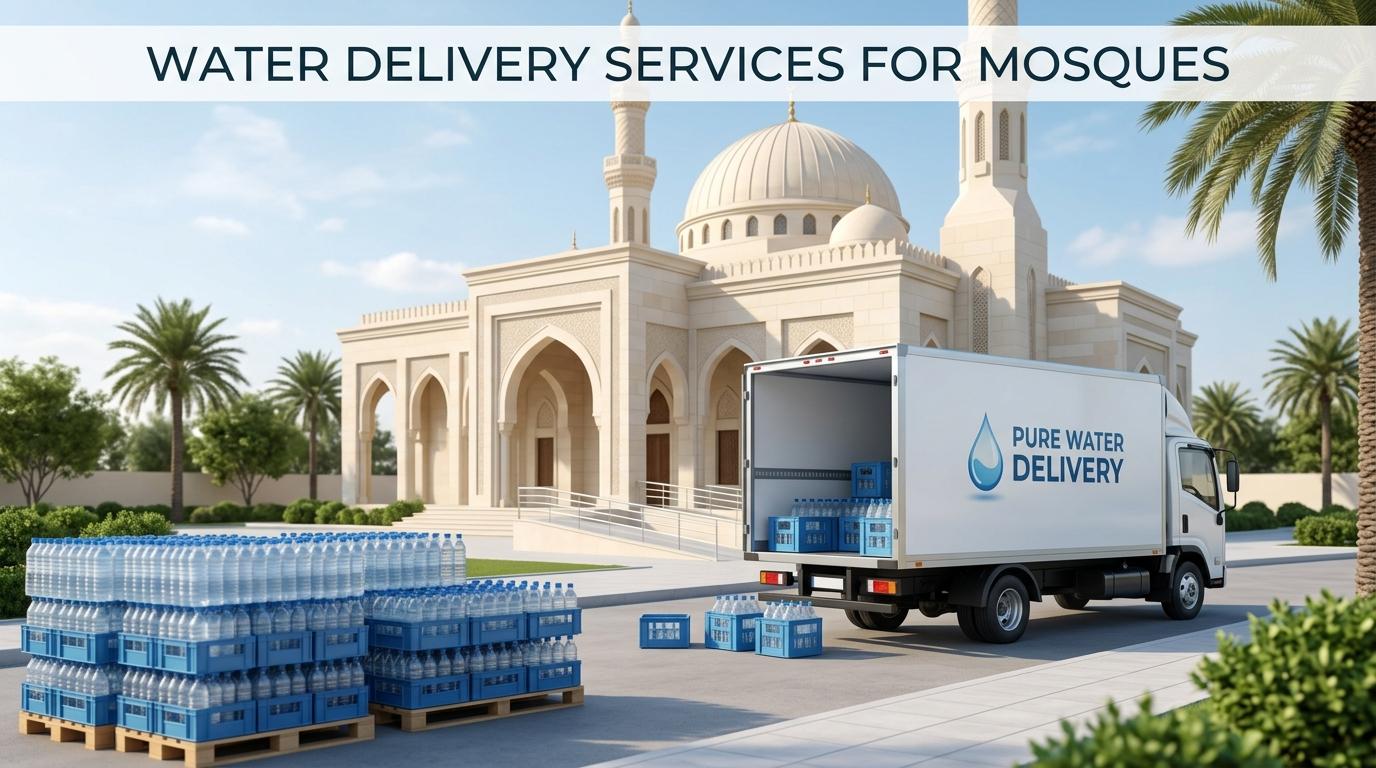
Clean and reliable water is an essential part of mosque facilities. People need water for drinking, ablution, cleaning, bathrooms, and other daily activities. When the regular supply is limited or interrupted, Water Delivery Services for Mosques can provide a practical way to maintain access to clean water. With proper planning and safe storage, mosque administrators can arrange a dependable water supply that supports worshippers, staff, volunteers, and community members throughout the year.
Why Clean Water Matters In Mosques
A mosque may serve hundreds or even thousands of people depending on its location, size, and activities. On normal days, the existing water connection may be enough to meet basic requirements. However, demand can rise considerably during Friday prayers, Ramadan, Eid prayers, religious programs, and community gatherings.
Water is needed for several purposes at the same time. Worshippers use it for ablution, visitors may need drinking water, and mosque staff use water for cleaning and maintaining facilities.
If the available supply suddenly becomes insufficient, the problem can affect the entire mosque.
This is why clean water management should be considered an important part of mosque facility planning. It is not simply about having water available. Mosque management also needs to think about water quality, storage, delivery, usage, and regular maintenance.
The Role Of Water Delivery Services For Mosques
Water Delivery Services For Mosques give mosque administrators another option when the existing water supply cannot meet demand. Water can be delivered directly to the mosque and transferred into suitable storage facilities for its intended use.
The service can be helpful in several situations, including
- Temporary water shortages
- Maintenance of local water infrastructure
- Increased mosque attendance
- Religious gatherings
- Ramadan activities
- Eid prayers
- Community events
- Emergency water requirements
- Additional drinking water needs
- Ablution and cleaning requirements
The amount of water required will vary from one mosque to another. A small neighborhood mosque may need occasional deliveries, while a large mosque with frequent gatherings may require a more organized delivery schedule.
Clean Water Supply For Worshippers
Drinking water is one of the most important requirements at any mosque.
During warm weather, people may need more water, particularly when they spend several hours attending prayers or religious programs. During large gatherings, drinking water can also be consumed quickly.
A reliable clean water supply helps mosque management provide drinking water without depending entirely on normal building connections.
The World Health Organization identifies microbial contamination as one of the major risks associated with drinking water and recommends preventive water safety management from the source through to the consumer.
For this reason, mosque administrators should consider where delivered water comes from and how it is transported and stored before allowing it to be used for drinking.
Water For Ablution Facilities
Ablution is another major reason why mosques need a dependable water supply.
Before prayer, worshippers may need to perform ablution, and large numbers of people can use ablution facilities within a short period. Friday prayers and special religious events can create particularly high demand.
If water pressure drops or the regular supply stops, worshippers may experience unnecessary inconvenience.
Mosque water delivery can provide additional water when the existing supply is not sufficient. With a suitable storage system, the delivered water can be available when demand is highest.
Mosque management can also review previous usage to estimate how much water is normally needed for ablution. This can make future planning easier and reduce the chance of ordering too little or too much.
Water For Mosque Cleaning
Cleanliness is an important part of maintaining a mosque.
Floors, bathrooms, ablution areas, courtyards, entrances, and other facilities may require regular cleaning. During large gatherings, these areas can become busier and may need additional attention.
A sufficient water supply allows staff and volunteers to maintain these areas properly.
When planning mosque water services, administrators should therefore consider cleaning requirements along with drinking and ablution needs.
A simple usage record can help identify how much water is normally consumed for cleaning. Once this information is available, the mosque can include it when calculating its total water requirement.
Clean Water Management At Mosques
Good clean water management involves more than arranging a delivery whenever water runs low.
It includes several connected activities
Monitoring Water Levels
Someone should regularly check the available water in storage tanks. This helps staff identify shortages before they become urgent.
Maintaining Storage Facilities
Storage tanks and containers should be kept in suitable condition. They should be protected from contamination and maintained according to appropriate hygiene practices.
Checking Water Quality
When water is intended for drinking, quality should be given particular attention. Administrators should understand the source and intended use of supplied water.
Planning For High Demand
Mosques can estimate additional requirements before Friday prayers, Ramadan programs, Eid prayers, or other major gatherings.
Keeping A Backup Option
Having contact information for a reliable supplier can save valuable time when an unexpected shortage occurs.
These steps create a more organized approach to mosque water management.
Choosing A Reliable Water Supply Provider
Not every water delivery provider will offer the same service. When selecting a supplier, mosque administrators should consider more than the delivery price.
Water Source
Ask where the water comes from and whether it is suitable for its intended purpose.
Delivery Equipment
Transportation tanks and equipment should be maintained appropriately. For drinking water, hygienic handling is particularly important.
Delivery Schedule
A provider should be able to deliver within the agreed timeframe. This becomes especially important before large religious gatherings.
Quantity Options
Different mosques have different requirements. A supplier should be able to provide quantities that match the mosque's storage capacity and expected demand.
Emergency Availability
A provider that can respond to unexpected shortages can be useful when the regular supply is interrupted.
Preparing For Large Religious Gatherings
Large gatherings require more planning than ordinary mosque operations.
Before an event, administrators can estimate the expected number of visitors and review how long the gathering will last. They can then consider drinking water, ablution, bathroom, and cleaning requirements.
Weather should also be considered. Hot conditions can increase drinking water demand and may require additional preparation.
A simple planning table can help
| Requirement | Planning Question |
|---|---|
| Visitors | How many people are expected |
| Event duration | How long will they stay |
| Drinking water | How much may be needed |
| Ablution | What is the expected demand |
| Cleaning | How much additional water is required |
| Storage | How much water can the mosque hold |
| Delivery | When should water arrive |
| Backup | Who can provide additional water if needed |
Planning these details in advance gives mosque staff a clearer picture of their actual needs.
Safe Storage Of Delivered Water
Water delivery is only useful if the water remains safe after it arrives.
Storage facilities should be suitable for the intended water use. Drinking water should be kept protected from contamination, and storage equipment should be maintained properly.
The World Health Organization recommends water safety planning based on identifying hazards and managing risks across the water supply chain. Its guidance for small water supplies also emphasizes sanitary inspections, monitoring, and preventive risk management.
For mosque administrators, this means paying attention to simple but important details such as tank condition, cleanliness, access points, pipes, and surrounding areas.
If storage facilities are poorly maintained, even a good water delivery system may not provide the expected level of protection.
How Much Water Does A Mosque Need
There is no universal amount that applies to every mosque.
Water requirements depend on several factors
- Number of regular worshippers
- Number of visitors
- Frequency of prayers
- Size of ablution facilities
- Number of bathrooms
- Cleaning requirements
- Weather
- Religious events
- Storage capacity
- Availability of the normal water connection
The best starting point is to examine actual consumption.
If the mosque records water usage over several weeks or months, administrators can identify normal patterns. They can then compare regular usage with demand during larger gatherings.
This information can make water supply for mosques more predictable.
When Regular Water Supply Is Not Enough
Sometimes the mosque's normal water connection may continue working but still fail to meet temporary demand.
For example, a mosque might normally serve a few hundred worshippers but receive several times that number for a special event. The existing system may not have enough capacity for drinking, ablution, and cleaning at the same time.
In such cases, additional mosque water services can help bridge the gap.
The aim is not necessarily to replace the regular water system. Instead, delivered water can work as an additional resource when demand exceeds normal capacity.
Benefits Of Reliable Mosque Water Delivery
A properly planned delivery service can provide several practical benefits.
- Supports a dependable water supply
- Helps maintain drinking water availability
- Supports ablution facilities
- Helps with mosque cleaning
- Provides additional capacity during gatherings
- Offers a backup during supply interruptions
- Helps administrators plan water requirements
- Reduces pressure on existing water systems
- Supports better community services
For mosque management, the main advantage is reliability. When water is planned properly, staff and volunteers can focus on serving worshippers rather than dealing with an unexpected shortage.
Building A Simple Mosque Water Plan
A mosque does not need a complicated system to manage its water requirements.
Start by identifying the normal water source and available storage capacity. Then record approximate daily consumption and identify periods when demand increases.
Next, determine how much additional water may be needed during major gatherings.
Mosque administrators can then identify a reliable supplier and keep the relevant contact information available. It is also useful to decide who will be responsible for arranging deliveries when additional water is required.
Regularly reviewing the plan can help because mosque activities and attendance may change over time.
Water Delivery Services For Mosques And Clean Water Needs
Reliable water is a basic requirement for a mosque, but managing it properly requires planning. Drinking water, ablution, bathrooms, cleaning, and community activities all contribute to overall demand.
Water Delivery Services For Mosques can help fill the gap when regular water supplies are unavailable or insufficient. By selecting a dependable provider, maintaining suitable storage facilities, monitoring water quality, and planning for periods of high demand, mosque administrators can create a more reliable supply system.
The goal is straightforward. Worshippers should have access to suitable water when they need it, and mosque staff should have a practical plan for dealing with changing demand.
With good clean water management and dependable mosque water delivery, communities can support the daily needs of their mosques while being better prepared for large gatherings, temporary shortages, and unexpected supply problems.

 English
 Arabic
 French
 Spanish
 Portuguese
 Deutsch
 Turkish
 Dutch
Dutch
 Russian
 Romaian
 Portuguese (Brazil)
 Greek
Greek