


Cellular Therapy Understanding Modern Regenerative Medicine and Its Potential Benefits
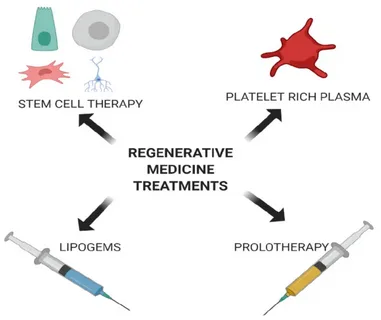
The landscape of modern medicine is undergoing a profound transformation, shifting from treatments that merely manage symptoms to innovative approaches that aim to restore the body’s natural function. At the forefront of this medical revolution is regenerative medicine, a field dedicated to repairing or replacing damaged cells, tissues, and organs. Within this domain, Cellular Therapy has emerged as a cornerstone, offering new hope for patients with conditions that were once considered untreatable. This approach leverages the body's own building blocks to combat disease, repair injuries, and potentially reverse the course of chronic illnesses. As research advances and clinical applications expand, the demand for these cutting-edge treatments is growing rapidly among patients seeking alternatives to traditional pharmaceutical and surgical interventions.
For healthcare providers, business owners in the medical sector, and patients alike, understanding the intricacies of this field is no longer optional but essential. The market for regenerative treatments is projected to experience exponential growth, driven by an aging population and an increasing prevalence of degenerative diseases. This surge in demand highlights the critical need for reliable information and professional expertise. Whether you are a medical professional looking to integrate advanced techniques into your practice or a patient exploring viable treatment options, grasping the fundamentals of this science is the first step toward making informed decisions. This article delves into the mechanics, benefits, and future of this groundbreaking medical frontier.
Understanding Cellular Therapy and Its Importance
To fully appreciate the potential of this medical innovation, one must first understand its fundamental principles. This therapy involves the administration of living cells to a patient to treat a disease or condition. These cells can be sourced from the patient themselves (autologous), a donor (allogeneic), or, in some cases, engineered in a laboratory. The primary mechanism of action relies on the unique properties of specific cells, such as stem cells, which possess the remarkable ability to differentiate into various cell types and modulate the immune system. By introducing these cells into the body, practitioners aim to regenerate damaged tissue, reduce inflammation, and stimulate the body’s inherent repair mechanisms. This is not a one-size-fits-all solution; rather, it is a highly specialized field that requires a deep understanding of cell biology, immunology, and clinical application to ensure efficacy and safety.
The importance of this field extends beyond individual patient outcomes; it represents a paradigm shift in how we approach chronic disease and injury. Traditional treatments for conditions like osteoarthritis, cardiovascular disease, and autoimmune disorders often focus on symptom management, frequently accompanied by side effects and long-term dependency on medication. This therapy offers a potentially curative approach, addressing the root cause of the dysfunction. For an aging global population, the implications are immense, promising improved quality of life and reduced long-term healthcare costs. Consequently, the demand for skilled professionals and accredited facilities offering these services is skyrocketing, making it a pivotal area for investment and professional development in the medical industry.
Importance of Professional Cellular Therapy Services
The administration of living cells is a complex biological intervention that demands rigorous expertise and adherence to stringent protocols. The importance of professional services in this domain cannot be overstated, as the safety and efficacy of the treatment hinge on the quality of the cells, the precision of the procedure, and the comprehensive care surrounding it. A professional clinic or research institution possesses the necessary infrastructure, such as good manufacturing practice (GMP) laboratories, to handle, process, and store cells safely. They employ trained specialists who understand the nuances of patient selection, cell harvesting, and administration techniques. Without this level of professionalism, the risks of contamination, improper dosing, or adverse immune reactions increase significantly, potentially turning a promising treatment into a dangerous procedure.
Furthermore, professional services provide the essential framework for ethical practice and patient education. A reputable provider will conduct thorough assessments to determine if a patient is a suitable candidate for this therapy, clearly explaining the potential benefits, risks, and realistic outcomes. They do not make exaggerated claims or promise miracles, which is unfortunately common in unregulated corners of the market. Instead, they rely on evidence-based protocols and contribute to the growing body of clinical data. This commitment to transparency and scientific rigor is vital for building trust with patients and referring physicians. For businesses and investors, partnering with or establishing a professional entity ensures compliance with regulatory standards, mitigates legal risks, and builds a sustainable reputation in a competitive and scrutinized industry.
Services and Features Related to Cellular Therapy
The scope of regenerative medicine is broad, encompassing a variety of services and specialized features tailored to different medical needs. One of the most prominent applications is in orthopedic medicine, where cellular treatments are used to address joint pain, cartilage damage, and tendon injuries. Clinics often offer minimally invasive procedures where cells are harvested from the patient's bone marrow or adipose tissue, concentrated, and then injected into the affected area to promote healing. Another significant area is aesthetic medicine, where these techniques are utilized for skin rejuvenation, hair restoration, and scar reduction, leveraging the regenerative properties to stimulate collagen production and tissue repair. Beyond these, oncology represents a frontier where immune cells are engineered to target and destroy cancer cells, a field known as immunotherapy.
In addition to direct clinical applications, the ecosystem includes a range of supporting services. These encompass specialized diagnostic testing to determine a patient's suitability for treatment, cryopreservation services for long-term cell storage, and comprehensive rehabilitation programs designed to optimize recovery post-procedure. Many advanced facilities also engage in research and development, conducting clinical trials to explore new applications for this technology. They may offer consulting services for other medical practices looking to incorporate regenerative protocols, providing training and operational guidance. This multifaceted service landscape underscores the depth of the industry and the need for specialized knowledge, whether one is seeking treatment, providing it, or investing in the sector.
Choosing the Right Cellular Therapy Provider
Selecting a provider is arguably the most critical decision for anyone considering this treatment. The market is not uniformly regulated, and the quality of offerings can vary dramatically. Therefore, due diligence is paramount. A prospective patient or a business looking for a partner must look beyond marketing claims and investigate the provider's credentials. Key factors include the facility's accreditation, the qualifications and experience of the medical team, and their adherence to established protocols. It is essential to ask about the source of the cells, the processing methods used, and whether the clinic operates under the oversight of an institutional review board (IRB) or equivalent regulatory body. A transparent provider will welcome these questions and provide clear, documented answers.
Moreover, a credible provider will have a robust informed consent process, ensuring that patients fully understand the experimental nature of some treatments and the potential for variable outcomes. They should be able to present data from their own clinical experience or reference peer-reviewed studies that support their methods. It is also wise to seek testimonials or speak with previous patients to gain insight into their experiences. For businesses, evaluating a potential partner involves assessing their operational standards, success rates, and commitment to ethical practices. This careful vetting process helps to avoid predatory clinics that may prioritize profit over patient safety and long-term scientific integrity.
Quality, Safety, or Industry Standards
The rapid advancement of regenerative medicine has outpaced the development of a unified global regulatory framework, creating a complex landscape of standards and oversight. In the United States, the Food and Drug Administration (FDA) regulates these products under a risk-based framework, distinguishing between low-risk, minimally manipulated cells used in a same-day surgical procedure and higher-risk, more-than-minimally manipulated products that require formal approval. Similar regulatory bodies exist in other countries, but the stringency of enforcement varies. For the industry to thrive sustainably, adherence to high-quality and safety standards is non-negotiable. This includes rigorous donor screening, sterile processing techniques in GMP-compliant facilities, and extensive testing for identity, purity, potency, and sterility of the final cell product.
Patient safety is the ultimate benchmark for quality. This encompasses not only the procedure itself but also the long-term monitoring of outcomes. Reputable organizations participate in patient registries and long-term follow-up studies to track the safety and efficacy of treatments over time. They invest in continuous training for their staff and stay abreast of the latest scientific developments. For businesses operating in this space, obtaining voluntary accreditations from organizations like the Foundation for the Accreditation of Cellular Therapy (FACT) can demonstrate a commitment to excellence that goes beyond minimal regulatory requirements. These standards are crucial for building public trust and ensuring that the field of Cellular Therapy evolves responsibly, delivering on its promise without compromising patient well-being.
Benefits of Hiring or Using Professional Services
Engaging professional services for regenerative treatments offers a multitude of benefits that extend to patients, practitioners, and the broader healthcare system. For patients, the primary benefit is access to safer and more effective care. Professional providers offer accurate diagnoses, personalized treatment plans, and a higher likelihood of positive outcomes due to their expertise and adherence to best practices. They also provide essential pre- and post-treatment support, which is crucial for managing expectations and optimizing recovery. This comprehensive approach minimizes the risks associated with unproven or poorly administered treatments, giving patients peace of mind.
For physicians and business owners, collaborating with or establishing a professional regenerative medicine service can be a significant differentiator. It allows them to offer cutting-edge solutions that attract patients seeking alternatives to surgery or long-term medication. This can lead to increased patient satisfaction, loyalty, and practice growth. Furthermore, it positions the practice as a leader in innovation, opening doors to research collaborations and speaking opportunities. From a broader perspective, the widespread adoption of professional standards in this field can lead to reduced healthcare costs by potentially avoiding expensive surgeries and managing chronic conditions more effectively. The collective benefit is a more resilient, efficient, and patient-centric healthcare ecosystem.
Future Trends and Industry Development
The future of regenerative medicine is incredibly promising, with several key trends poised to shape its trajectory. One of the most exciting areas is the development of "off-the-shelf" allogeneic cell products, which are manufactured from healthy donor cells and can be administered without the need for matching, making treatments more accessible and scalable. Advancements in gene editing technologies, such as CRISPR, are enabling scientists to engineer cells with enhanced therapeutic properties, opening new avenues for treating genetic disorders and complex cancers. We are also likely to see a greater integration of artificial intelligence and machine learning to analyze vast datasets, predict patient responses, and personalize treatment protocols with unprecedented accuracy.
Another significant trend is the move toward combination therapies, where cellular treatments are used in conjunction with other modalities like immunotherapy, tissue engineering, and advanced drug delivery systems. This synergistic approach could amplify therapeutic effects and address complex, multifactorial diseases more effectively. As the science advances, the regulatory landscape will also mature, with clearer pathways for approval and reimbursement. This will encourage greater investment from pharmaceutical companies and venture capital, accelerating the translation of research from the lab to the clinic. Ultimately, the industry is moving toward a future where regenerative medicine is not a last resort but a mainstream, first-line option for a wide array of medical conditions.
Conclusion
In summary, the emergence of Cellular Therapy represents a monumental leap forward in our ability to treat disease and repair the human body. It is a field defined by its profound potential to address the root causes of illness, offering hope where traditional medicine often falls short. From its fundamental science to its clinical applications, the importance of professional expertise, rigorous safety standards, and ethical practice cannot be overstated. As the industry continues to evolve, driven by relentless innovation and a growing understanding of human biology, it will undoubtedly unlock new frontiers in healthcare. For those seeking to be at the forefront of this medical revolution, embracing this technology with responsibility and a commitment to excellence is the key to shaping a healthier future for all.

 English
 French
 Spanish
 Portuguese
 Deutsch
 Turkish
 Dutch
Dutch
 Italiano
 Russian
 Romaian
 Portuguese (Brazil)
 Greek
Greek